May 9, 2007 - New imaging research at UCLA shows that impairments in autistic children's ability to imitate and empathize can be linked to dysfunction in the brain's mirror-neuron system.
In research to be presented May 4 at the annual International Meeting for Autism Research in Seattle, UCLA scientists demonstrated a clear link between a child's inability to imitate expressions on the faces of other people and a lack of activity in the mirror-neuron system (MNS).
Mirror neurons fire when an individual performs an action with a goal in mind. They also fire when one watches another individual perform that same action. Neuroscientists believe this "mirroring" is the neural mechanism by which the actions, intentions and emotions of other people can be automatically understood.
Individuals with autism can't rely on this system to read the minds of other people. Symptoms of autism include varying levels of difficulty with social interaction, including verbal and nonverbal communication, imitation, and empathy. These findings bolster the growing body of evidence that points to a breakdown of the MNS as the mechanism behind these symptoms.
"These results support the notion that a dysfunctional mirror-neuron system may underlie the impairments in imitation and in empathizing with other people's emotions typically seen in autism," said Mirella Dapretto, associate professor of psychiatry and biobehavioral sciences at the Semel Institute for Neuroscience and Human Behavior at UCLA and the David Geffen School of Medicine at UCLA. Dapretto and Stephany Cox, a research assistant in Dapretto's lab, are the lead authors of the study. "Together with other recent data, our results provide further support for a mirror-neuron theory of autism."
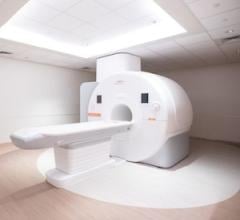
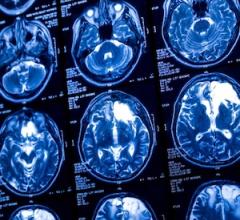
To measure mirror-neuron activity, the research used functional magnetic resonance imaging (fMRI) in 12 high-functioning children with autism as they viewed and imitated faces depicting several emotional expressions, such as anger, fear, happiness or sadness. Prior to the fMRI experiment, the children's imitative behavior was measured using scores from the Autism Diagnostic Interview (ADI-Revised), an instrument widely used to assess symptoms of autism. Children's empathic behavior was assessed using a child-modified version of the Interpersonal Reactivity Index (IRI), a previously validated scale that assesses four distinct facets of empathy.
The researchers found that, as expected, the level of brain activity in "mirroring" areas was related to the children's tendency to spontaneously imitate others, as well as to empathize with them. Specifically, significant negative correlations were found between symptom severity on the imitation items of the ADI-R and activity in the mirror area located in the brain's right inferior frontal gyrus.
Additionally, significant positive correlations were observed between children's total scores on the empathy scale and activity within this mirror area and two other key regions in the brain involved in emotional understanding and empathy, the insula and amygdala.
"Simply put," said Cox, "the more the children tended to spontaneously imitate social behaviors or to empathize with the plight of others, the more brain activity we saw in the frontal component of the mirror-neuron system in the right inferior frontal gyrus. Conversely, the greater their impairments in these domains, the less activity we saw in this mirroring brain region.
"Importantly, these results indicate that abnormalities in the mirror-neuron system may negatively affect imitative behavior," she said. "In turn, this may lead to a cascade of negative consequences for the development of key aspects of social cognition and behavior in children with autism."
The research was funded primarily by a grant from the National Institute of Child Health and Human Development. In addition to Dapretto and Cox, the UCLA research team included Ashley Scott, Susan Bookheimer and Marco Iacoboni.
The Semel Institute for Neuroscience and Human Behavior at UCLA is an interdisciplinary research and education institute devoted to the understanding of complex human behavior, including the genetic, biological, behavioral and sociocultural underpinnings of normal behavior and the causes and consequences of neuropsychiatric disorders. In addition to conducting fundamental research, the institute faculty seeks to develop effective treatments for neurological and psychiatric disorders, improve access to mental health services, and shape national health policy regarding neuropsychiatric disorders.
Source:
University of California
924 Westwood Blvd., Ste. 350
Los Angeles, CA 90095
United States
http://healthcare.ucla.edu

 October 07, 2026