Oct. 21, 2024 — Siemens Healthineers recently received Food and Drug Administration clearance for two new features in its syngo.PET Cortical Analysis software application that use positron emission tomography (PET) to measure protein deposits in the brain associated with Alzheimer’s disease.
The first new feature,Centiloid scoring, standardizes the quantification of brain-amyloid plaque in PET scans across three commercially available beta-amyloid PET radiopharmaceuticals used to diagnose Alzheimer’s disease. The other new feature, tau PET quantification, assesses and quantifies the distribution and density of tau protein tangles in the brain from a PET image acquired using the radiopharmaceutical flortaucipir.
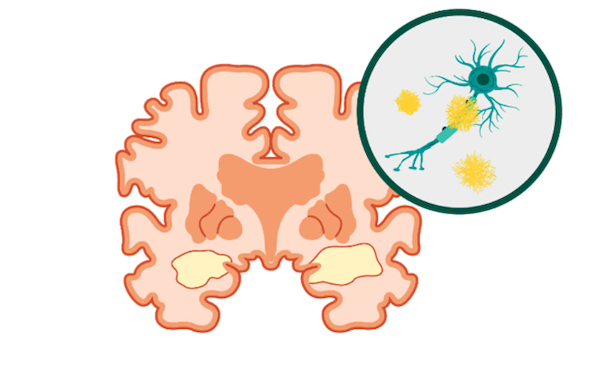
Alzheimer’s disease is characterized by the accumulation of both beta-amyloid plaques and tau protein tangles in the brain. Deposits of beta-amyloid and tau occur in different regions and at different rates in the aging brain. Together, these pathologies lead to neurodegeneration, which results in cognitive and clinical decline in individuals with Alzheimer’s disease.
“The ability to quantify the buildup of amyloid plaque and tau protein in the brains of Alzheimer’s disease patients can provide clinicians with important diagnostic and staging information pertaining to the disease,” said Martin Cordell, PhD, director of product lifecycle management at Siemens Healthineers Molecular Imaging. “The addition of Centiloid scoring and tau PET quantification features to our syngo.PET Cortical Analysis software fortifies our integrated and comprehensive portfolio for detection, diagnosis, monitoring, and follow-up related to Alzheimer’s disease.”
Centiloid scoring for beta-amyloid PET is relevant in the diagnosis, patient management, and design of clinical trials of Alzheimer’s disease-modifying therapies. The new Centiloid scoring feature from Siemens Healthineers uses a 100-point scale to standardize beta-amyloid plaque PET measurements and enable clinicians to compare results from different PET scanners and tracers. The need to standardize beta-amyloid plaque measurements obtained via PET has increased dramatically with the FDA approval of new therapeutic drugs for Alzheimer’s disease. These drugs are designed to reduce cognitive and functional decline in adult patients with mild cognitive impairment or mild dementia due to Alzheimer’s disease by removing beta-amyloid from the brain.
Tau deposits have been shown to closely correlate with concurrent cognitive performance in individuals with Alzheimer’s disease. The new tau PET quantification feature from Siemens Healthineers uses Braak staging, a six-stage progressional model that classifies the progression of tau pathology in the brain and correlates closely with levels of cognitive impairment, with later stages associated with worse cognitive and clinical symptoms.
Tau PET has played an important role in recent amyloid-directed drug trials with respect to patient stratification, drug management, and assessment of treatment response. Given tau’s close association with disease severity, several investigational tau-targeted therapies are in different phases of clinical development. Tau PET quantification also has a major role to play in those trials.
Additional information on the Siemens Healthineers portfolio for Alzheimer’s disease can be found at http://siemens-healthineers.com/mi-alzheimers-disease

 October 07, 2026