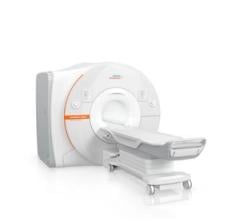
October 6, 2026 – Clearsense has introduced a cloud-based medical image archive designed to reduce the cost of maintaining historical imaging data while preserving fast, governed access when those images are needed.
The Clearsense Digital Imaging and Communications in Medicine (DICOM) archive enables health systems to move historical and infrequently accessed images out of high-cost production storage environments and retire legacy imaging systems that remain in place primarily to preserve access to older studies. The solution supports CT, MRI, X-ray, ultrasound, PET and dental images, including studies received from outside providers.
“Health systems should not have to pay production-storage economics indefinitely for imaging data that is accessed only occasionally,” said Jason Z. Rose, CEO of Clearsense. “The challenge has always been reducing that cost without compromising clinical access. Clearsense gives health systems both: a substantially more efficient long-term storage model and fast access to historical images when clinicians need them.”
Integratable Archive
The solution is designed to integrate with existing enterprise imaging environments. Clinicians can open studies directly from a patient’s archived record using Clearsense’s web-based viewer, which includes zoom and measurement capabilities. Applications can retrieve images through Clearsense APIs, and health systems with a vendor-neutral archive (VNA) can connect the Clearsense archive as a DICOM node, allowing historical images to remain available through the enterprise imaging tools clinicians already use. Image access is governed and audit-logged.
Clearsense also normalizes and remediates historical imaging data as it is archived. Legacy systems often contain images in proprietary formats, while corrections made over time to patient or study information may exist only within the source application and not within the image itself. Clearsense converts legacy images to standards-based DICOM and incorporates corrected patient and study information so the archived image remains consistent with the authoritative clinical record.
“CIOs consistently tell us they are paying significant amounts to keep legacy imaging infrastructure running for data that is accessed very infrequently,” said Jonathan Cook, CTO of Clearsense. “We designed this so health systems can retire that infrastructure entirely or reduce their active imaging footprint to what clinicians actually need. At the same time, we can leave them with cleaner, standards-based imaging data than they had before.”
The new capability extends Clearsense’s broader approach to application rationalization and active archiving, allowing health systems to reduce the cost and complexity of legacy clinical environments while maintaining reliable access to the historical information required for patient care, compliance and continuity.
Health systems looking to reduce imaging storage costs or retire legacy imaging infrastructure can learn more here.


 November 04, 2026