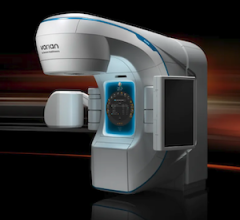
May 31, 2013 — Intensity-modulated radiation therapy (IMRT) has become the most commonly used type of radiation in prostate cancer, but research from the University of North Carolina suggests that the therapy may not be more effective than older, less expensive forms of radiation therapy in patients who have had a prostatectomy.
The comparative effectiveness study, published online by JAMA Internal Medicine, evaluated the long-term outcomes of prostate cancer patients who received radiation treatments following prostatectomies using conformal radiation therapy (CRT) against the newer and more expensive IMRT.
Study lead Ronald Chen, M.D., MPH, assistant professor of radiation oncology in the UNC School of Medicine, said the results showed little difference in the long-term health of patients who used the newer and older radiation therapies.
“Many prostate cancer patients need radiation treatment after prostatectomy, the surgical removal of the prostate, either because the cancer is aggressive or for recurrence. In prostate cancer, we have seen a trend in our healthcare system where new technologies are adopted quickly, maybe because there is a belief that newer treatments are better, but often there is a lack of studies to actually compare patient outcomes from older versus newer treatments,” said Chen.
The study used Medicare data to compare the outcomes of 457 IMRT and 557 CRT patients treated between 2002 and 2007. The patients, 66 years of age or older who underwent radical prostatectomy and subsequent radiation therapy within three years of their surgery, showed no difference in regards to urinary side effects, bowel side effects, sexual dysfunction and other long-term side effects or cancer control.
“For patients with newly diagnosed prostate cancer who have chosen to receive curative radiation treatment, our prior study showed that IMRT was associated with less long-term side effects and better cancer control than CRT. However, for patients who have had a prostatectomy already, and subsequently need radiation treatment, this study shows that IMRT and CRT seemed to have similar outcomes,” said Chen.
A lot of men across the United States who need radiation therapy after prostatectomy are not getting it, according to Chen, and he speculates that the cost of treatment may play a factor. While research shows that as many as one-third to one-half of the patients undergoing surgery for prostate cancer may benefit from radiation treatments subsequently to achieve a cure, Chen said that the data show only 10 to 15 percent of those who could benefit actually receive the therapy.
“If 3-D conformal radiation provides an effective and safe treatment for these patients, then we can probably show that radiation is a very cost effective treatment and potentially remove one of the large obstacles to patients being able to get this necessary treatment after surgery,” said Chen.
For more information: archinte.jamanetwork.com

 October 01, 2026