July 17, 2012 — New analysis from Frost & Sullivan, “European Data Storage Market in Healthcare,” finds that the market earned revenues of $1,011.4 million in 2010 and estimates this to reach $2,473 million in 2017. The research covers hospital IT, research and imaging segments.
The European data storage market in healthcare is driven by technology developments and a growing need to document patient data for future interpretation. Rapid penetration of technology is a key characteristic of the data storage market. Cloud computing is expected to make strong inroads into healthcare data storage as the demand for cost-effective and efficient technologies increases at a rapid pace.
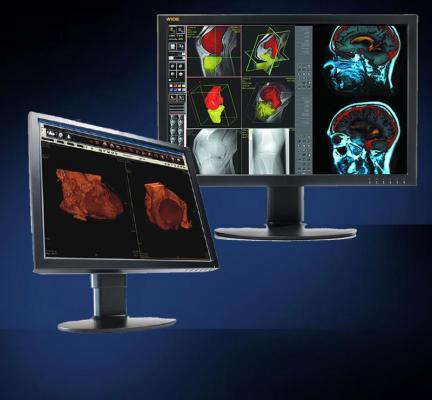
"Advanced imaging leads to high resolution images that, in turn, enlarge data volumes, putting tremendous pressure on data storage devices," said Somsainathan C. Kamalasekar, research analyst at Frost & Sullivan. "As the resolution of images becomes higher, data volumes swell, thereby increasing the need for advanced data storage, because there are regulations now that demand longer retention of patient data."
Changing times have led hospital administrations to focus on developing defensive evidence to address legal issues. This requires the retention of large volumes of patient data for a longer period of time. Similarly, the growing exchange of healthcare information is motivating the need for efficient data storage.
"Data sharing is becoming a vital component in healthcare delivery to ensure uninterrupted and highly efficient treatment of patients, irrespective of their demographic location," said Somsainathan. "Therefore, the demand for secure data storage systems is burgeoning across Europe."
However, the lack of budgetary allocations for hospital IT infrastructure, alongside the number of new systems and medical devices that are being introduced in healthcare, is putting pressure on the data storage market. Growth is being largely restricted due to budget constraints and the rapid technology developments, which data storage device manufacturers are unable to keep pace with.
Investing in cost-effective technology to overcome exploding data levels will help in overcoming budget constraints. Traditionally, only 3 percent of hospital budgets is allocated for the development of information infrastructure. Hence, allocating funds prudently to address need for data storage will help the market grow.
"Market participants need to keep pace with technology developments and develop cost-effective solutions," concluded Somsainathan. "This will be pivotal in achieving market growth in the highly competitive European data storage in healthcare."
For more information: www.healthcareIT.frost.com

 October 25, 2026