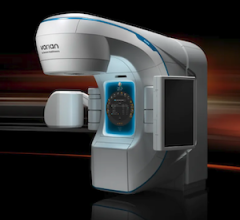
April 3, 2012 — Breast cancer patients whose treatment includes radiation therapy are at higher risk of complications after implant-based breast reconstruction, reports a study in the April issue of Plastic and Reconstructive Surgery, the medical journal of the American Society of Plastic Surgeons (ASPS).
But even with major complications, reconstruction is eventually successful in 80 percent of radiation-treated patients, according to the new research by ASPS member surgeon Dr. Kant Y. Lin, M.D., and colleagues at University of Virginia, Charlottesville. Smoking also increases the risk of complications after breast reconstruction, the study reports.
Radiation Therapy Increases Complications of Breast Reconstruction
The researchers looked at how radiation affected complication rates in 194 breast cancer patients undergoing two-stage, implant-based breast reconstruction after mastectomy. About 12 percent of reconstructions were done on women undergoing radiation therapy before mastectomy, and six percent in women who received radiation after mastectomy.
In two-stage reconstruction, a tissue expander is first placed to increase the amount of the patient's own skin available for reconstruction. In the second stage, performed some months later, the reconstruction is completed using the additional skin and breast implants.
The results confirmed an increased complication rate in women undergoing radiation therapy, whether before or after mastectomy. In both radiation groups, the complication rate during reconstruction was over 40 percent, compared to 14 percent for women who did not receive radiation.
Types of complications also differed between groups. Twenty-two percent of women undergoing radiation had problems related to wound healing—a well-known consequence of radiation damage to tissues. In contrast, wound complications occurred in less than two percent of women not treated with radiation, and only in smokers. Smoking is also a known risk factor for wound-healing problems.
Problems related to the tissue expander were the second most common complication in the radiation groups, with a rate of 19 percent. The overall risk of major complications requiring additional surgery was about six times higher in women receiving radiation therapy, after adjustment for other factors. For smokers, the risk of major complications was more than three times higher.
Data to Help Guide Reconstruction Decisions
The rate of complications leading to repeat surgery for women who have undergone radiation therapy appears "prohibitively high," Lin and co-authors concluded. They also noted that however, 80 percent of women with radiation therapy—even with major complications—had successful breast reconstruction surgery.
Radiation causes tissue damage that increases the risk of complications of breast reconstruction, among other types of surgery. In general, breast reconstruction using the patient's own (autogenous) tissue is preferred for patients who have undergone radiation therapy. However, this type of reconstruction requires more extensive surgery and longer recovery time.
Implant-based reconstruction is much quicker, but requires the use of radiation-damaged tissues. Because it is very effective in reducing the risk of recurrence, radiation therapy has become an increasingly common part of combination therapy approaches to breast cancer.
The study provides important new data to help balance the risks and benefits of implant-based breast reconstruction after radiation therapy, said Lin and co-authors.
Plastic and Reconstructive Surgery is published by Lippincott Williams & Wilkins, part of Wolters Kluwer Health.
For more information: www.plasticsurgery.org.
 October 09, 2026