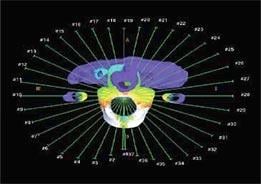
Elekta's VMAT uses the ERGO treatment planning solution to enhance precision.
March 10, 2010 - While a joint ACR/ASTRO accreditation program for radiation oncology facilities may significantly reduce the odds of adverse medical events during radiological procedures, next generation radiation therapy technologies may also assist in providing greater safety during treatments.
At a Congressional hearing held Feb. 26 on radiation safety, E. Stephen Amis, M.D., FACR, chair of the American College of Radiology Task Force on Radiation Dose in Medicine said stressed that a joint ACR/ASTRO accreditation program for radiation oncology facilities can significantly reduce the odds of adverse medical events during radiological procedures. Dr. Ames said the ACR is calling for mandatory accreditation of all advanced imaging and radiation oncology providers regardless of setting.
One of the technologies supporting the trend and greater awareness for providing radiation safety during treatment is volumetric modulated arc therapy (VMAT). By delivering radiation faster and more precisely, it causes less damage to surrounding healthy tissue.
According to Elekta, the manufacturer of the VMAT system, its next generation arc therapy technique establishes new standards for radiation therapy treatment speed and dose reduction to the patient. With Elekta VMAT, single or multiple radiation beams sweep in uninterrupted arcs around the patient, dramatically speeding treatment delivery. Doctors can use Elekta VMAT with complete or partial arcs to reduce treatment times from the eight to twelve minutes required for conventional radiation therapy to as few as two minutes.
Three-dimensional volume imaging technology integrated into Elekta treatment systems increases the precision of Elekta VMAT. This enables physicians to visualize the tumor target at the time of treatment and to guide therapy that both maximizes the radiation dose to the target and minimizes exposure to surrounding healthy tissues.
Another leading manufacturer making efforts to control radiation safety is Varian Medical Systems. In response to The New York Times article on January 24th, "Radiation Offers New Cures and Ways to Do Harm," which revealed that several patients in hospitals in the United States were harmed by radiation during treatments.
Varian issued a public statement, stating: "Varian has added protective features designed to prevent a tragic accident like the one that occurred in New York in 2005. Safety enhancements include checks designed to verify that essential treatment data are not missing or altered from a plan that has been approved by the authorized clinical staff member. In addition, the machine instruction sets must be consistent with the particular treatment mode that has been selected. Should a discrepancy be detected, the system requires the authorized person to correct it before a treatment can be delivered."
According to Robert Kuske, M.D., radiation oncologist, Arizona Breast Cancer Specialists, "Varian has made a strong point that they have implemented quality control measures since these accidents to put safeguards in their systems. Ultimately it’s the physician and his team, but it’s a partnership with the equipment manufacturers."
For more information: www.elekta.com and www.varian.com

 October 23, 2026