October 28, 2009 - There's no reason to forgo a needed radiation-based medical procedure because of concerns about cancer risk, according to the October issue of Mayo Clinic Health Letter.
While the volume of radiation-based tests and procedures has increased in the past three decades, scientists haven't proven that the low doses of radiation used in medical settings actually increase cancer risk. On average, annual exposure from natural radiation is estimated to be about 3 millisieverts (mSv).
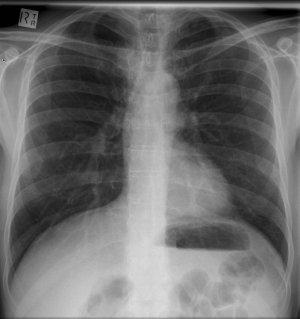
Until the early 1980s, patients were exposed to minuscule amounts of radiation from basic X-rays, for example, mammograms (0.4 mSv), chest X-rays (two views, 0.1 mSv) and dental X-rays (0.005 mSv)
Since then, it's estimated that the total amount of radiation from medical exams and procedures in the United States has increased almost six times. Consider that a CT scan of the heart (CT angiogram) is 5 to 15 mSv. Angioplasty, a procedure to open clogged arteries, uses 7 to 57 mSv, depending on the complexity of the procedure. A virtual colonoscopy uses 5 mSv.
Scientists haven't determined exactly at what level radiation begins to significantly increase cancer risk. Some evidence shows that below about 100 mSv, there's no increase in risk -- or that the increased risk is so small that it's not possible to accurately estimate risk.
Radiation safety organizations contend that the risk increases whenever radiation dose increases. If that's true, even the smallest doses of radiation could cause cancer, although the risk would be very low.
Consider that a CT scan of the abdomen or pelvis exposes a patient to an estimated 10 mSv of radiation, increasing the lifetime risk of dying of cancer by 0.05 percent. That increase would be added to the 21 percent lifetime chance of dying from a cancer of natural causes, changing the risk of dying of cancer from 21 percent to 21.05 percent.
To put the 0.05 percent risk increase in perspective, compare it to other lifetime risk statistics: dying from drowning (0.09 percent), from a pedestrian accident (0.16 percent) or from a bicycling accident (0.02 percent). If, in fact, the cancer risk is slightly increased by radiation-based medical tests and procedures, that risk needs to be considered against the benefit resulting from those tests and procedures.
For more information: healthletter.mayoclinic.com

 October 07, 2026