October 3, 2013 — The Arthritis Foundation awarded $1 million to the Hospital for Special Surgery in New York City, University of California-San Francisco (UCSF) and Mayo Clinic in Rochester, Minn. to validate the use of new magnetic resonance imaging (MRI) techniques and newly identified biomarkers.
“There is no magic bullet for treatment of osteoarthritis yet, but once we have a potential oral drug, therapeutic injection or surgery for treating the disease, we will need a way to identify patients who might need it and follow their response to the treatment,” said Scott Rodeo, M.D., orthopedic surgeon and co-chief of the sports medicine and shoulder service at Hospital for Special Surgery (HSS) and co-principal investigator of the tripartite grant. “Using X-rays to measure joint space narrowing is the gold standard for assessing the presence and progression of osteoarthritis, but X-rays are next to worthless for detecting the early changes of arthritis. This study will help us understand the early factors that lead to the degenerative changes in ACL injured knees.”
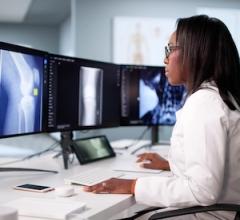
Acute anterior cruciate ligament (ACL) injury is a major risk factor for developing osteoarthritis. In the past several years, researchers have discovered that long before osteoarthritic changes in joint space can be detected on X-ray, biochemical changes can be detected in cartilage using newer quantitative MRI techniques. Many studies have also shown that ACL injury is associated with quantifiable changes in biochemical biomarkers that can be detected in synovial fluid, blood and urine.
The Arthritis Foundation grant will be distributed over one year and the three grant recipients have made an institutional commitment to provide annual patient follow-up after that. Each institution will recruit 25 patients who are at a maximum of 14 days out from tearing their ACL. Patients will be evaluated at baseline, six weeks, six months, 12 months and yearly thereafter with traditional MRI and newer MRI techniques.
Specifically, the new quantitative MRI techniques measure T1? and T2 values of articular cartilage and the meniscus.
“Imagine you are playing basketball and you jump up to make a basket. Your ability to withstand the load when you come down is a function of proteoglycan,” said Hollis Potter, M.D., chief of the division of magnetic resonance imaging, director of research in the Department of Radiology and Imaging at HSS and HSS site leader of the grant. “If you pivot and throw the ball to someone else, your ability for your cartilage to withstand that load is a function of the collagen. You need both to be healthy.”
At each time point researchers collect MRI data, they will also collect samples of synovial fluid, blood and urine from patients and evaluate knee function using surveys such as the Knee Outcome Survey, international knee documentation committee (IKDC) evaluation forms and Marx Activity Level. These surveys gauge whether a patient has knee impairment, the degree of symptoms such as knee swelling and pain and how much knee impairment impacts overall well-being, daily living, work and athletic and social activities. The majority of participants in the study will undergo ACL reconstruction, and surgeons will evaluate these patients arthroscopically at the time of the operation. Clinicians will correlate fluid biomarkers and quantitative MRI results with traditional imaging, clinical and functional outcomes.
Researchers need to be able to identify where a patient is in the progression of osteoarthritis to be able to target specific processes that are responsible for the symptoms and loss of joint function.
“Not everyone who has an ACL tear will develop osteoarthritis, but some do,” said Rodeo. “The goal is to identify biomarkers that reflect alterations in the joint environment that may be predictive of developing arthritis.”
Once these are identified, researchers can test therapies to slow or prevent the disease, which can be crippling and lead to disability.
“There remain many unanswered questions regarding the optimal care of patients with ACL injuries,” said Steven Goldring, M.D., chief scientific officer (CSO), St. Giles and chair, Hospital for Special Surgery. “This study is a paradigm of interdisciplinary research that brings together experts in orthopedics, radiology and basic science from multiple leading medical centers with the single goal of developing the most effective therapies to improve outcomes in patients with ACL injuries. The Arthritis Foundation should be congratulated in initiating this groundbreaking program.”
ACL ruptures affect roughly 1 in 3,000 people per year in the United States alone. The cumulative population risk of an ACL injury in people between the ages of 10 and 64 years has been estimated to be 5% but could be considerably higher. More than 175,000 ACL reconstructions are performed each year in the United States at a cost of $2 billion. Participation in sports that involve pivoting put individuals at higher risk for tearing their ACL.
For more information: www.hss.edu

 October 07, 2026